1. Safety talk
The team explains how to avoid sticks, what to do if someone is exposed and who should stay out of the area.
Barron, WI · Barron County
Worried about what is hiding in drawers, bags or a vacant building in Barron? Call (877) 812-4220. Crews check the whole space, collect sharps with tools and clean up afterward.
If anyone is in danger, call 911 first. For a suicide crisis, call or text 988.
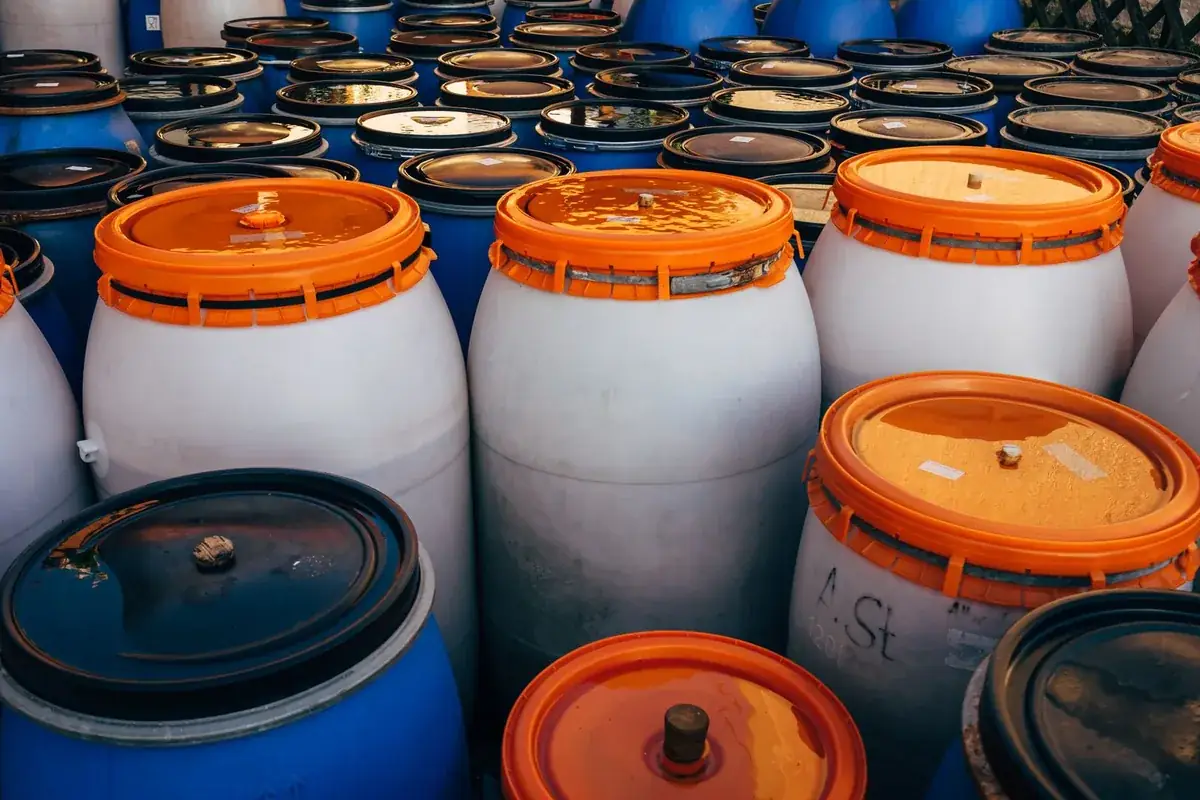
Syringe cleanup removes used needles from places where they should not be and treats the surfaces they touched. The sharps are collected, sealed and hauled away as regulated medical waste.
For sharps jobs of every size in Barron, from one syringe in your yard to a vacant building in Barron County that needs a thorough sweep, you can get biohazard cleanup crews by calling Barron Biohazard Cleanup Help.
With a vacancy rate near 17% in Barron County, many owners check empty properties for sharps before repairs, sales or new tenants. A stick, cut or splash should be checked by a doctor without delay. Mayo Clinic Health System-northland in Barron serves people in and around Barron.
A typical needle & sharps cleanup job includes:
The team explains how to avoid sticks, what to do if someone is exposed and who should stay out of the area.
The team moves in a set pattern so no section is skipped, since a single missed needle is still a hazard.
Everything is hauled off as regulated waste. Nothing is thrown out with household trash.
Containers go to a facility that treats medical waste, and the owner can ask for a record of what was found.
The cost of needle & sharps cleanup in Barron, WI depends on the amount of material, how it is packed and how it is hauled.
Hidden spots slow the work. Cluttered rooms, dense brush and storage areas take longer to search than clear, open ground.
| Type of job | Typical range |
|---|
Estimates only, not a quote. Sources: . Price drivers include number of items, where they are found, whether a sweep of a large area is needed, waste disposal. Call (877) 812-4220 to talk through the job.
Loose needles should not go in household trash, because they can stab sanitation workers. Rules for small amounts of household sharps vary by city and county. The local health department can say what is allowed, and a cleanup team can take larger amounts.
Do not go in to look. Report it to the owner, the local health department or a cleanup team. A team can sweep the whole building in protective gear, remove the sharps and give the owner a record of the work.
A small yard or single room can be quick, while a building or large lot takes longer. Clutter, hidden spots and the amount of sharps affect the time. A cleanup team can give a realistic idea once it hears the details.
Sometimes. Some homeowners and renters policies cover cleanup after a covered event, and many do not cover needles on their own. Call your insurance company before work starts, take photos from a safe spot, and keep every receipt. Check your policy rather than assuming.
Safer options exist. Many cities and health departments have programs for found needles and may give instructions or send someone. If you are unsure, do not touch it. Leaving a needle in place and keeping others away is safer than risking a stick.
A local biohazard cleanup team can search the area and remove needles and other sharps. Some cities and health departments also help with found needles on public land. For a single needle outdoors, the health department is a good first call, and for anything bigger, a cleanup team.
Do not pick it up. Call and let a cleanup team remove it safely.
Call (877) 812-4220